
The Official Website of Eliel Arrey
  • Home
  • History of Surgery
  • Contact Me
  • Tiffani
  • Music
  • About Me
  • Blog
  • STORE
  • Get More Out of College
    • Biology 1441
    • Biology 1442
    • Biology 2343
    • Biology 3309
    • Biology 3315
    • Biology 3345
    • Biology 3442
    • Biology 4312

health, leadership, wellness, and education

Official Blog of Eliel Arrey

Understanding Breast Cancer Epidemiology, Screening, and Risk Factors

4/7/2024

0 Comments

 
Picture
Today, we will be discussing a topic near and dear to me: Breast Cancer.   This is not a complete overview of all of breast cancers but an intro to helping anyone understand the epidemiology, screening, and risk factors for breast cancer.  

Breast cancer remains one of the most prevalent malignancies affecting women worldwide. Its epidemiology, screening modalities, and associated risk factors are critical areas of study and public health concern. Comprehensive understanding of these aspects is essential for early detection, effective treatment, and improved outcomes. In this article, we delve into the epidemiology of breast cancer, various screening modalities, the significance of family history, and other important risk factors. Additionally, we emphasize the importance of regular breast self-examinations, prompt medical attention for any concerns, and address the complexities of breast cancer during pregnancy.


Epidemiology of Breast CancerBreast cancer is a multifactorial disease influenced by genetic, environmental, hormonal, and lifestyle factors. According to the World Health Organization (WHO), breast cancer is the most commonly diagnosed cancer and the leading cause of cancer-related mortality among women globally. The incidence of breast cancer varies across regions, with higher rates observed in developed countries compared to developing nations.
​

Age is a significant risk factor, with incidence rates rising steadily with advancing age, peaking around 50 to 70 years of age. However, breast cancer can occur in younger individuals, underscoring the importance of early detection and screening initiatives.
​
Picture
Screening Modalities for Breast Cancer
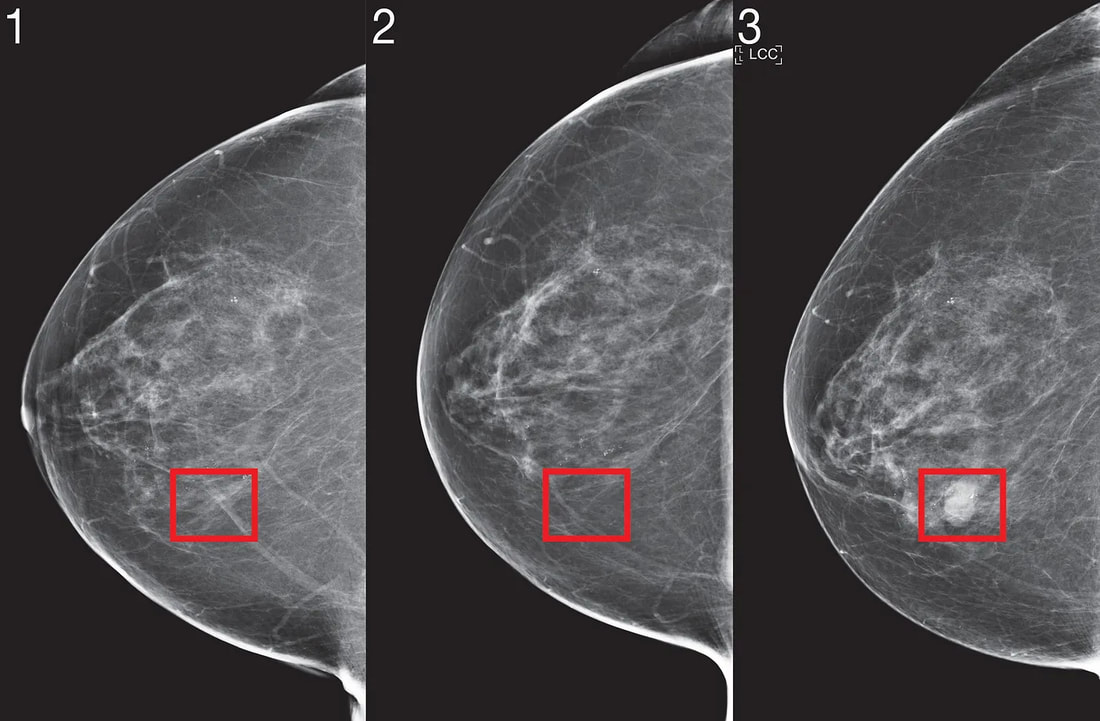
Early detection through screening plays a crucial role in reducing breast cancer-related morbidity and mortality. Several screening modalities are available, including mammography, clinical breast examination (CBE), breast magnetic resonance imaging (MRI), and breast ultrasound.
Mammography remains the gold standard for breast cancer screening, recommended annually for women aged 40 and older by organizations such as the American Cancer Society (ACS) and the U.S. Preventive Services Task Force (USPSTF). Mammography has demonstrated efficacy in detecting early-stage breast cancers, allowing for timely intervention and improved survival rates.
Clinical breast examination, performed by healthcare professionals during routine check-ups, serves as a complementary screening tool to mammography, particularly in settings where access to mammography is limited.
Breast MRI and ultrasound are adjunctive imaging modalities used in specific clinical scenarios, such as screening women at high risk of breast cancer or evaluating abnormalities detected on mammography.


Importance of Family History and Other Risk Factors
A family history of breast cancer is a well-established risk factor, indicating a genetic predisposition to the disease. Individuals with first-degree relatives (parents, siblings, or children) diagnosed with breast cancer have an increased risk of developing the disease themselves. Additionally, specific genetic mutations, such as BRCA1 and BRCA2, significantly elevate breast cancer risk.
Other important risk factors include a history of radiation exposure (e.g., chest radiation therapy for Hodgkin lymphoma during childhood), previous breast biopsies demonstrating benign proliferative lesions, hormonal factors (e.g., early menarche, late menopause), obesity, alcohol consumption, and hormone replacement therapy.


Breast Self-Examination and Prompt Medical Attention

Breast self-examination (BSE) remains a valuable tool in breast cancer awareness and early detection. Women are encouraged to perform regular BSEs to familiarize themselves with their breast tissue and promptly report any new or suspicious changes to their healthcare provider. Although BSE alone is not sufficient for comprehensive breast cancer screening, it empowers individuals to take an active role in their breast health.
​
Any concerns regarding breast changes, such as a palpable lump, changes in breast size or shape, nipple discharge, or skin abnormalities, warrant evaluation by a healthcare professional. Early diagnosis facilitates timely intervention and improves treatment outcomes.

Bonus Topic: ​Breast Cancer during Pregnancy

Picture
Nothing is more devastating than a diagnosis of breast cancer in a pregnant patient.  Pregnant patients are already flooded with a myriad of emotions and challenges of the pregnancy itself and the calling of motherhood, making a breast cancer diagnosis, an emotional (and clinical) wrench in the gestational process.

Breast cancer diagnosis during pregnancy presents unique challenges due to concerns regarding fetal safety and treatment complexities. Delaying treatment in pregnant individuals with breast cancer is not advisable, as it may compromise maternal outcomes and jeopardize fetal well-being. Multidisciplinary management involving oncologists, obstetricians, and other specialists is essential to optimize treatment strategies while minimizing risks to both the mother and the developing fetus.
​

In conclusion, breast cancer remains a significant public health issue globally, necessitating comprehensive strategies for prevention, early detection, and treatment. Understanding the epidemiology, screening modalities, and risk factors associated with breast cancer is crucial for healthcare professionals and individuals alike. By promoting awareness, encouraging regular screening, and fostering proactive healthcare-seeking behaviors, we can strive towards reducing the burden of breast cancer and improving patient outcomes.


Eliel Arrey MD MBA


Eliel Arrey, MD., MBA., is a health advisor, business advocate, entrepreneur, educator, and surgeon with a passion for Breast Oncology, Oncoplastic, and Cosmetic Surgery. History of Surgery series showrunner. He has been an educator for over 15 years and has vast experience teaching undergraduate students, nursing students, medical students, and resident physicians. Dr. Arrey is a physician at Grady Memorial Hospital in Atlanta and a Morehouse School of Medicine physician. He also serves as a faculty member at Kaplan, teaching Neurology and Surgery review courses to medical students worldwide. He is currently a PhD candidate in organizational leadership at Columbia International University.


References:
  1. American Cancer Society. (2021). Breast Cancer Facts & Figures 2021–2022. Atlanta: American Cancer Society, Inc.
  2. World Health Organization. (2020). Breast cancer: prevention and control. Retrieved from https://www.who.int/cancer/detection/breastcancer/en/index1.html
  3. National Comprehensive Cancer Network. (2021). NCCN Clinical Practice Guidelines in Oncology: Breast Cancer Screening and Diagnosis. Retrieved from https://www.nccn.org/professionals/physician_gls/pdf/breast-screening.pdf
  4. National Cancer Institute. (2021). Breast Cancer Screening (PDQ) — Health Professional Version. Retrieved from https://www.cancer.gov/types/breast/hp/breast-screening-pdq
  5. Cardoso, F., et al. (2019). 4th ESO-ESMO International Consensus Guidelines for Advanced Breast Cancer (ABC 4). Annals of Oncology, 30(10), 1720–1729. https://doi.org/10.1093/annonc/mdz192

0 Comments

Managing Blood Sugar Levels Naturally: Effective Remedies for Reduction

4/1/2024

0 Comments

 
Picture

​In today’s fast-paced world, the prevalence of conditions like diabetes and prediabetes is steadily rising. High blood sugar levels not only pose immediate health risks but also increase the likelihood of developing severe complications over time. While medication plays a crucial role in managing blood sugar, incorporating natural remedies into your routine can complement conventional treatments and promote overall well-being.

From dietary adjustments to lifestyle changes, here are some effective natural remedies for reducing blood sugar levels:
  1. Healthy Diet: The cornerstone of managing blood sugar levels naturally starts with a balanced diet. Focus on whole, unprocessed foods rich in fiber, such as fruits, vegetables, whole grains, legumes, and nuts. These foods have a lower glycemic index, which means they cause a slower rise in blood sugar levels. Additionally, incorporating foods with specific properties like cinnamon, fenugreek, and bitter melon may help regulate blood sugar levels.
  2. Regular Exercise: Physical activity is vital for managing blood sugar levels. Regular exercise improves insulin sensitivity, allowing your cells to better absorb glucose from the bloodstream. Aim for at least 30 minutes of moderate-intensity exercise most days of the week. Activities like brisk walking, cycling, swimming, and yoga can all contribute to better blood sugar control.
  3. Stress Management: Chronic stress can lead to elevated blood sugar levels as stress hormones like cortisol interfere with insulin function. Incorporate stress-reduction techniques such as meditation, deep breathing exercises, mindfulness, and yoga into your daily routine to promote relaxation and stabilize blood sugar levels.
  4. Adequate Sleep: Poor sleep quality and insufficient sleep duration have been linked to insulin resistance and higher blood sugar levels. Aim for 7–9 hours of quality sleep each night. Establish a regular sleep schedule, create a relaxing bedtime routine, and ensure your sleep environment is conducive to restful sleep.
  5. Herbal Supplements: Certain herbs and supplements have shown promise in helping to lower blood sugar levels. Examples include berberine, alpha-lipoic acid, chromium, and magnesium. However, it’s essential to consult with a healthcare professional before starting any new supplements, especially if you’re taking medications or have underlying health conditions.
  6. Apple Cider Vinegar: Some studies suggest that apple cider vinegar may help improve insulin sensitivity and lower blood sugar levels, particularly when consumed before meals. Dilute a tablespoon of apple cider vinegar in water and drink it 15–20 minutes before meals to potentially aid in blood sugar control.
  7. Stay Hydrated: Drinking an adequate amount of water is essential for overall health and can also help regulate blood sugar levels. Aim to drink at least 8 glasses of water per day, and replace sugary beverages with water, herbal teas, or infused water flavored with lemon or cucumber.
  8. Portion Control: Be mindful of portion sizes to prevent overeating and minimize blood sugar spikes. Use smaller plates, measure serving sizes, and pay attention to hunger and fullness cues to avoid consuming excessive carbohydrates and calories in one sitting.
  9. Regular Monitoring: Keep track of your blood sugar levels regularly, especially if you have diabetes or prediabetes. Monitoring allows you to understand how your lifestyle choices impact your blood sugar and enables you to make necessary adjustments to maintain optimal control.
  10. Seek Professional Guidance: While natural remedies can be beneficial, it’s essential to work closely with healthcare professionals, including doctors, dietitians, and diabetes educators, to develop a comprehensive management plan tailored to your individual needs.
In conclusion, managing blood sugar levels naturally involves adopting a holistic approach that encompasses dietary modifications, regular exercise, stress management, adequate sleep, and the incorporation of herbal remedies and supplements. By making mindful lifestyle choices and prioritizing your health, you can take proactive steps towards achieving better blood sugar control and reducing the risk of complications associated with high blood sugar levels.

Check out our natural and scientifically proven remedies

Eliel Arrey MD MBA


References:
  1. American Diabetes Association. (n.d.). Glycemic index and diabetes. Retrieved from https://www.diabetes.org/glycemic-index-and-diabetes
  2. Mayo Clinic. (2020). Diabetes: Exercise. Retrieved from https://www.mayoclinic.org/diseases-conditions/diabetes/in-depth/diabetes-management/art-20047963
  3. Harvard Health Publishing. (2018). Stress and your health. Retrieved from https://www.health.harvard.edu/staying-healthy/stress-and-your-health
  4. National Institute of Diabetes and Digestive and Kidney Diseases. (n.d.). The link between insufficient sleep and type 2 diabetes. Retrieved from https://www.niddk.nih.gov/health-information/diabetes/overview/preventing-problems/teens-young-adults/insufficient-sleep-type-2-diabetes
  5. American Diabetes Association. (n.d.). Herbs, Supplements and Alternative Medicines. Retrieved from https://www.diabetes.org/nutrition/healthy-food-choices-made-easy/herbs-supplements-and-alternative-medicines
  6. Johnston, C. S., & White, A. M. (2007). Vinegar ingestion at bedtime moderates waking glucose concentrations in adults with well-controlled type 2 diabetes. Diabetes Care, 30(11), 2814–2815. doi:10.2337/dc07–1062
  7. Mayo Clinic. (2020). Water: How much should you drink every day? Retrieved from https://www.mayoclinic.org/healthy-lifestyle/nutrition-and-healthy-eating/in-depth/water/art-20044256
  8. Harvard T.H. Chan School of Public Health. (n.d.). Portion size: How much should I eat? Retrieved from https://www.hsph.harvard.edu/nutritionsource/healthy-eating-plate/portion-size/
  9. American Diabetes Association. (n.d.). Checking Your Blood Glucose. Retrieved from https://www.diabetes.org/managing-diabetes/complications-and-prevention/blood-glucose-testing-and-control
0 Comments

Smoothies: Your Tasty Companion on the Weight Loss Journey

4/1/2024

0 Comments

 
Picture

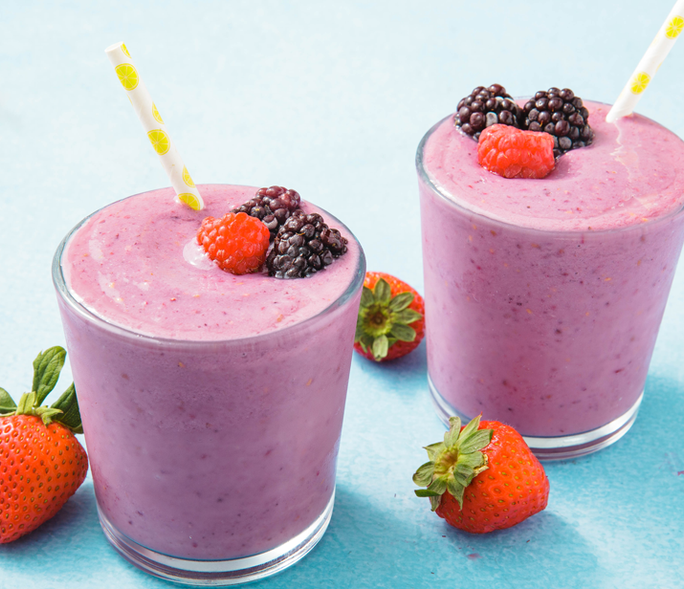
Smoothies have become a staple in the diet of health-conscious individuals, offering a convenient and delicious way to pack essential nutrients into one tasty beverage. But beyond their refreshing taste, smoothies can also be powerful allies in achieving weight loss goals. Packed with vitamins, minerals, fiber, and antioxidants, they not only support overall health but can also aid in weight management when incorporated into a balanced diet and lifestyle. Let’s delve into how smoothies can be a valuable tool in your weight loss journey.
  1. Nutrient Density: One of the key benefits of smoothies is their nutrient density. By blending fruits, vegetables, and other nutritious ingredients, you can create a beverage that is rich in vitamins, minerals, and antioxidants essential for overall health. Consuming nutrient-dense foods helps to satisfy hunger and cravings, reducing the likelihood of overeating or reaching for unhealthy snacks [1].
  2. Portion Control: Smoothies offer a convenient way to practice portion control. Unlike solid foods, where portion sizes can be challenging to gauge accurately, smoothies can be easily measured and customized to fit your nutritional needs and calorie goals. By including ingredients with high water and fiber content, such as leafy greens and berries, you can create a filling beverage that helps you stay full for longer without consuming excess calories [2].
  3. Balanced Macronutrients: For effective weight loss, it’s essential to consume a balanced mix of macronutrients, including carbohydrates, protein, and healthy fats. Smoothies provide an excellent opportunity to incorporate all three macronutrients into your diet. Adding ingredients like Greek yogurt, nut butter, or avocado can boost your smoothie's protein and healthy fat content, promoting satiety and supporting muscle repair and growth [3].
  4. Hydration: Staying hydrated is crucial for overall health and plays a significant role in weight management. Smoothies, especially those made with water-rich fruits and vegetables, contribute to your daily fluid intake, keeping you hydrated and potentially reducing cravings for high-calorie beverages like sugary sodas or juices. Adding coconut water or herbal teas as the base for your smoothie can further enhance hydration while adding flavor and nutrients [4].
  5. Fiber for Satiety and Digestive Health: Fiber is a vital component of a weight loss diet as it promotes feelings of fullness, regulates blood sugar levels, and supports digestive health. Including fiber-rich ingredients such as leafy greens, chia seeds, and flaxseeds in your smoothies can help you stay satisfied between meals and promote regular bowel movements, reducing bloating and discomfort associated with constipation [5].
  6. Versatility and Variety: One of the best things about smoothies is their versatility. With countless ingredient combinations to choose from, you can create endless variations to suit your taste preferences and dietary requirements. Whether you prefer fruity blends, creamy concoctions, or green detox smoothies, there’s a recipe out there to satisfy every palate. Experimenting with different ingredients also ensures you get a wide range of nutrients, keeping your diet interesting and enjoyable [6].
  7. Mindful Eating: Incorporating smoothies into your diet encourages mindful eating habits. Taking the time to prepare and savor a nutrient-packed smoothie can help you become more attuned to your body’s hunger and fullness cues, making it easier to avoid mindless snacking and overeating. Additionally, the act of chewing and sipping your smoothie slowly can enhance satisfaction and enjoyment, fostering a healthier relationship with food [7].

​In conclusion, smoothies offer a convenient and delicious way to support weight loss efforts while nourishing your body with essential nutrients. By incorporating nutrient-dense ingredients, practicing portion control, and staying mindful of your eating habits, smoothies can be a valuable tool in achieving your weight loss goals. So blend your favorite ingredients and sip your way to a healthier, happier you!
​
Check out our Smoothie Diet for weight loss.

Eliel N. Arrey MD MBA is an expert author, health advisor, business owner, and surgeon
​
References:
  1. Harvard T.H. Chan School of Public Health. (2021). The Nutrition Source — Vegetables and Fruits. Retrieved from https://www.hsph.harvard.edu/nutritionsource/what-should-you-eat/vegetables-and-fruits/
  2. Kaiser Permanente. (n.d.). Healthy Eating: Portion Control. Retrieved from https://healthy.kaiserpermanente.org/health-wellness/eat-well/nutrition/portion-control
  3. Harvard T.H. Chan School of Public Health. (2021). The Nutrition Source — Protein. Retrieved from https://www.hsph.harvard.edu/nutritionsource/what-should-you-eat/protein/
  4. Mayo Clinic. (2021). Water: How much should you drink every day? Retrieved from https://www.mayoclinic.org/healthy-lifestyle/nutrition-and-healthy-eating/in-depth/water/art-20044256
  5. Mayo Clinic. (2021). Dietary fiber: Essential for a healthy diet. Retrieved from https://www.mayoclinic.org/healthy-lifestyle/nutrition-and-healthy-eating/in-depth/fiber/art-20043983
  6. University of California San Francisco. (n.d.). Eating Well with Canada’s Food Guide — Beyond the Basics. Retrieved from https://www.ucsfhealth.org/education/eating-well-with-canadas-food-guide-beyond-the-basics
  7. Mindful Eating. (n.d.). The Principles of Mindful Eating. Retrieved from https://www.mindful-eating.com/mindful-eating-principles/
0 Comments

    Eliel Arrey

    Official blog of Eliel Arrey

    Archives

    May 2025
    April 2024
    October 2017
    April 2016
    July 2014
    September 2013
    June 2013
    May 2013
    March 2013
    December 2012
    February 2012
    October 2011
    September 2011
    March 2011
    February 2011

    Categories

    All
    Biological Sciences
    Health And Wellness
    MUSIC
    My News

    RSS Feed

    View my profile on LinkedIn
The Official Site Of Eliel Arrey
Photos from ccarlstead, Allison Harger, fdecomite, Lori Greig, Pink Sherbet Photography, AMagill, Christmas w/a K, malias, cote
  • Home
  • History of Surgery
  • Contact Me
  • Tiffani
  • Music
  • About Me
  • Blog
  • STORE
  • Get More Out of College
    • Biology 1441
    • Biology 1442
    • Biology 2343
    • Biology 3309
    • Biology 3315
    • Biology 3345
    • Biology 3442
    • Biology 4312